Walmart says it invested a significant portion of nearly $2.9 billion in tariff refunds in customer initiatives, including lower prices. The retailer described the investments in its August earnings materials as it expanded temporary discounts on groceries and general merchandise.
Walmart reported more than 11,000 rollbacks during its second quarter, up from 7,200 at the end of the first quarter. CEO John Furner said the company was investing heavily in prices because customers needed relief.
Chief Financial Officer John David Rainey said on the Aug. 20 earnings call that Walmart received "substantially all" of the refunds and would reinvest them "because customers need us to."
Grapevine store tested digital labels first
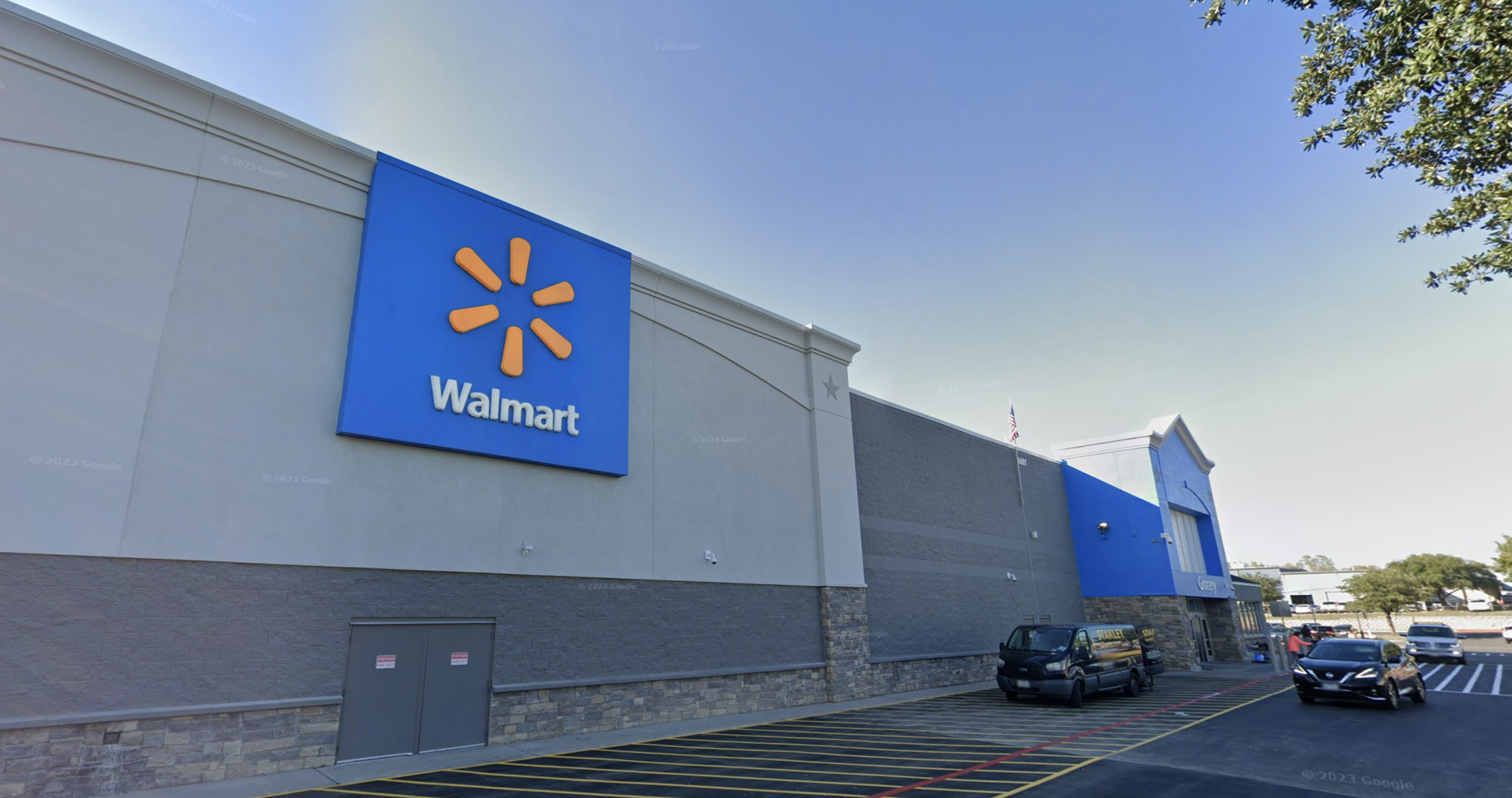
The price push is tied to a technology Grapevine shoppers saw before anyone else. Walmart piloted its digital shelf labels, called DSLs, at its Grapevine supercenter before rolling them out to about 2,300 U.S. locations, Retail Dive reported in March. The retailer plans to install them chain-wide within the next year.
The electronic tags replace paper price labels. Store associates review and push approved price changes through a centralized system, typically outside shopping hours, according to Walmart's corporate website. The labels do not contain cameras or microphones and cannot identify individual shoppers, the company stated on its pricing facts page.
A research paper examining transaction data from a U.S. grocery retailer that implemented electronic shelf labels across more than 100 stores found "virtually no surge pricing either before or after ESL adoption."
CEO pledges: 'We price the product, not the person'
Consumer anxiety about AI-driven pricing prompted Furner to publish a letter to customers in September.
"We don't set different prices based on who you are or the time of day, and we won't," Furner wrote. He added that a shopper's "income, shopping history, urgency or what we think you could pay won't change the price."
Walmart stated on its pricing overview page that it does not use "Surveillance Pricing" or "Surge Pricing," calling those practices "inconsistent with EDLP" and saying its "technology helps lower prices, not personalize them."
Why prices keep climbing
Shoppers are squeezed from multiple directions. Gas prices rose above $4 a gallon by June, and Walmart said its customers showed "more signs of stress," according to Fortune. The company expected more than $2 billion in additional fuel-related costs in 2026 compared with its original forecast.
Farmers face their own pressures. USDA’s October forecast projects grocery prices will rise 2.3% in 2026, compared with a 2.8% increase for food overall, including restaurant meals. Tariffs raised input costs for fertilizer and machinery. The farm labor force shrank by 155,000 workers between March and July 2025, according to a Center for American Progress report published in February.
Kroger's new CEO borrows from Walmart playbook
Walmart's low-price strategy is reshaping its competition. Kroger CEO Greg Foran, who previously ran Walmart's U.S. business, wants to move Kroger away from its "high-low pricing" model toward everyday low prices, the Wall Street Journal reported Sept. 29.
"We have to be relentless on cost," Foran told analysts. "Every dollar we take out is a dollar we can reinvest in areas customers will see."
Citi retail analyst Paul Lejuez estimated in a recent research note that Walmart prices remain 5% to 20% lower than Kroger's on average, according to the Journal's reporting. Kroger's annual profit fell 62% in 2025 from the prior year to $1.01 billion.
Walmart's next quarterly earnings report will show whether the tariff-refund investments are drawing more shoppers back to stores, including the Grapevine supercenter where the digital label rollout began.