While colonists in Philadelphia were signing the Declaration of Independence 250 years ago, the land beneath Southlake was Comanche territory — a dense, rugged forest teeming with black bears, panthers, and buffalo, governed not by redcoats or patriots but by indigenous nations who had lived there for thousands of years.
That's the story told in "July 4, 1776: HERE and THERE," the Southlake Historical Society's 12th annual summer exhibit, on display free of charge in the Town Hall lobby at Southlake Town Square through Saturday, Aug. 29.
Six large illustrated panels use paintings, photographs, and maps to contrast what was unfolding in Revolutionary-era Philadelphia with life in "Spanish Tejas," the remote province of New Spain that included what is now Northeast Tarrant County.
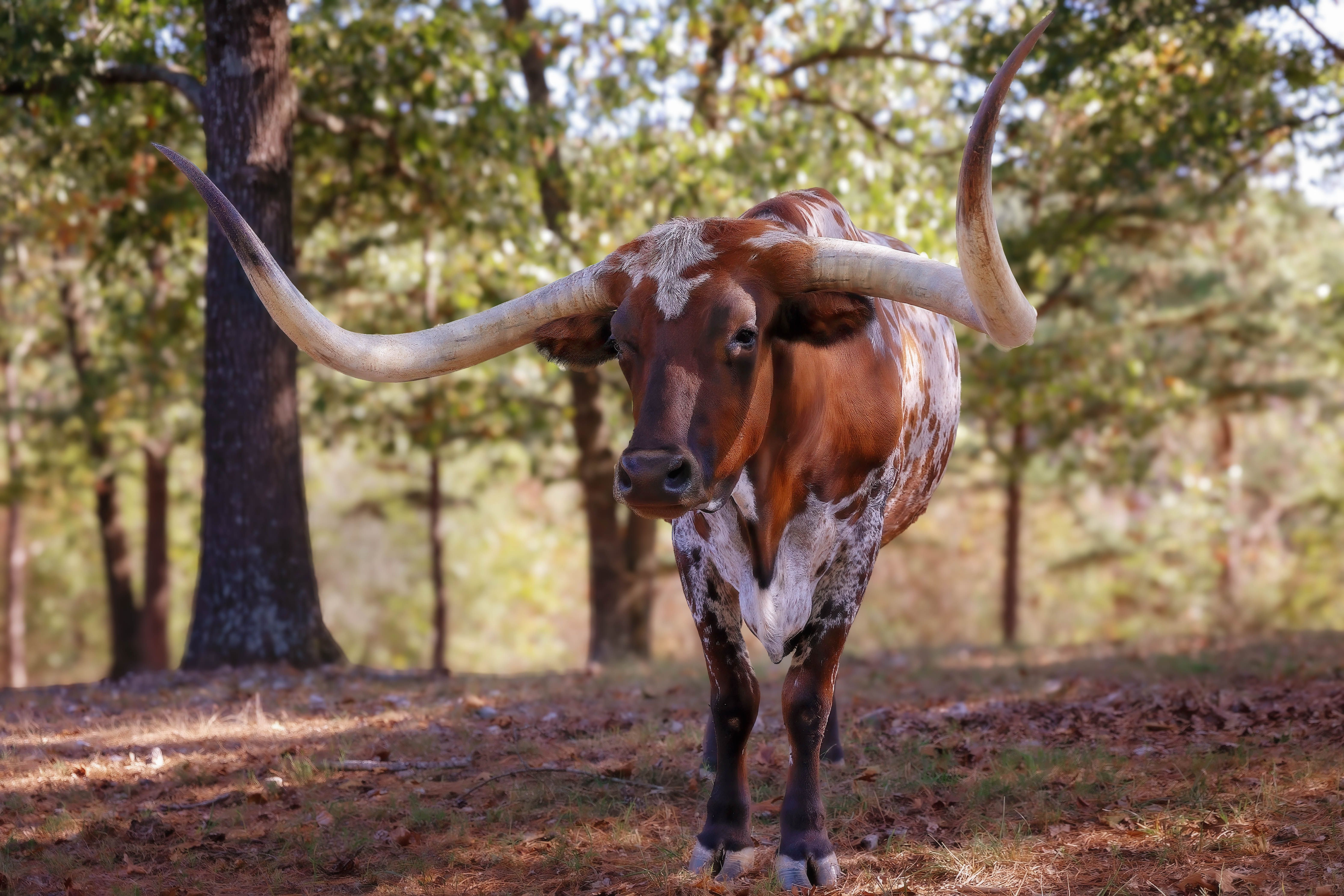
"Many folks will be surprised to learn that Spanish vaqueros drove herds of cattle across Tejas to feed colonists who were fighting their way across the Gulf Coast," Southlake Historical Society President Connie Cooley told 360West Magazine. "Along with those first cowboys, we have the Spanish to thank for the first cattle drives, Texas longhorns and a way of life that continues for many today."
Among the exhibit's most striking connections: Louisiana Gov. Bernardo de Galvez, who had been stationed in Spanish Tejas, sent an emissary to purchase thousands of head of cattle from Texas missions to feed soldiers fighting British forts along the Gulf Coast.
According to the exhibit, those campaigns weakened Britain in the southern colonies and helped the Continental Army gain dominance. Galvez also controlled the port of New Orleans, allowing only American and Spanish ships carrying arms, supplies, and money to pass through the Mississippi and Ohio rivers.
The city of Galveston was later named in his honor, though he never visited it.
The "HERE" panels describe Southlake's place within the Cross Timbers, a dense forest of post oak and blackjack trees stretching from south of Kansas through Oklahoma to Waco. Tree-ring analysis determined the summer of 1776 was unusually hot and dry.
Native American tribes including the Wichita, Tonkawa, Kiowa, and Caddos lived and hunted there, and by the mid-1700s Comanches had arrived from the Northern Plains to establish what the exhibit calls a "Comanche empire."
Historical societies across the country have been encouraged to showcase what their communities looked like in 1776 as part of the nation's 250th anniversary observance, Cooley said.
No registration is required. Exhibit hours are 10 a.m. to 8 p.m. Monday through Thursday and 10 a.m. to 6 p.m. Friday, according to the City of Southlake. Weekend hours were not listed; check with the city for availability.
Upcoming community events
- "July 4, 1776: HERE and THERE" — through Saturday, Aug. 29, Town Hall lobby, Southlake Town Square. Free, walk-in.
- Celebrate Southlake — Saturday, Sept. 12, Southlake Town Square. The city's annual birthday celebration.