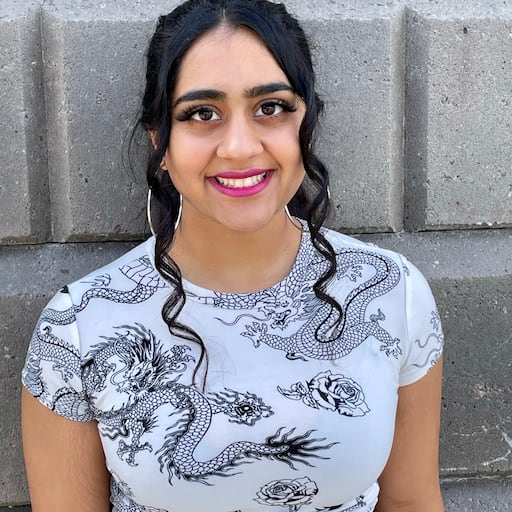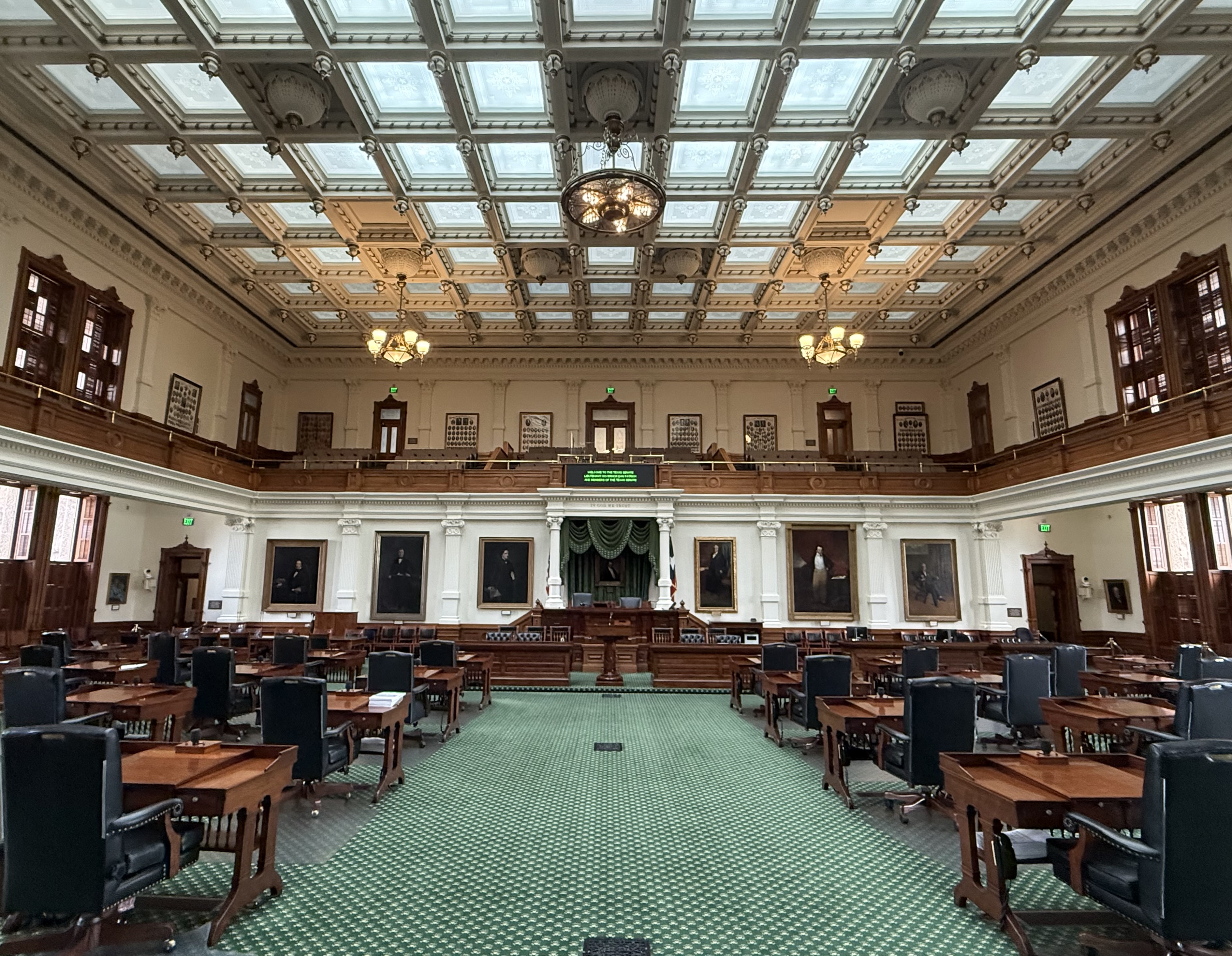
Sen. Taylor Rehmet and Republican challenger Leigh Wambsganss face off again Nov. 3 for the Texas Senate seat covering Southlake, Colleyville and Grapevine.
The rematch for Senate District 9, which spans most of Tarrant County, comes less than 10 months after Rehmet won a special election runoff by 14 percentage points, according to the Fort Worth Report. Rehmet, a 34-year-old Air Force veteran and machinist, took office in February and became the first Democrat to hold the seat in more than 30 years.
In the Jan. 31 runoff, Rehmet received 57% of the vote to Wambsganss's 43%, according to Texas Public Radio. The district backed President Donald Trump's 2024 reelection by 17 points.
Wambsganss, 59, is the Trump-endorsed chief communications officer at Patriot Mobile, the Grapevine-based conservative wireless provider. In 2022, Patriot Mobile executives created Patriot Mobile Action, a political action committee funded with roughly $650,000, according to Revenue Memo. The PAC backed 11 school board candidates across the Southlake Carroll, Keller, Mansfield and Grapevine-Colleyville districts. All 11 won.
The January runoff filled the remaining term of Republican Sen. Kelly Hancock, who stepped down June 19, 2025, to become acting state comptroller. That term expires in January 2027. The Nov. 3 general election decides who serves a full four-year term and represents the district when the Legislature reconvenes Jan. 12, 2027.
Different dynamics in November
Adam Schiffer, a political science professor at Texas Christian University (TCU), said the special election conditions that favored Rehmet will not repeat in November.
"On paper, there are certain things that will play more to the Republican's advantage this fall, and it may be tougher for Rehmet to hang on," Schiffer told the Fort Worth Report.
Special elections draw lower turnout than midterms. In January, Rehmet and Wambsganss were the only names on the ballot. The November ballot in Tarrant County features more than 70 races, including a U.S. Senate contest between Republican Attorney General Ken Paxton and Democratic state Rep. James Talarico. Schiffer said Democratic enthusiasm could still work in Rehmet's favor.
Campaign finance and messaging
Campaign finance reports covering the period after the runoff through June 2026 show Rehmet raised about $246,000 and spent about $275,000, according to the Fort Worth Report. Wambsganss raised about $142,000, took out a $150,000 loan and spent nearly $250,000. Both spent the majority on consulting. The next disclosures are due to the Texas Ethics Commission on Oct. 5.
During the special election cycle, Wambsganss raised and spent more than $2 million, far outspending Rehmet.
Both candidates support a statewide moratorium on data center developments and favor regulating THC products without banning cannabis use entirely. Rehmet's campaign has emphasized affordability and public education. Wambsganss has focused on property tax relief, public education and affordability. She previously branded herself as "ultra-MAGA" and dismissed suggestions she is moderating, calling a campaign sign color change to blue "a graphic design decision for what shows up best on the side of the road."
Neither candidate agreed to participate in a candidate forum organized by the Fort Worth Report, scheduled for Oct. 8.
Rehmet's record in office
Since taking office, Rehmet said he filed 35 legislative bills and held more than 200 meetings with officials and community members. Lt. Gov. Dan Patrick did not assign Rehmet to any Senate committee. He was the only sitting senator, aside from three vacating their seats, left without an assignment.
How to vote
The voter registration deadline for the Nov. 3 election is Oct. 5. Early voting runs Oct. 19-30. Tarrant County has 1.33 million registered voters, according to county data reported by Community Impact.
Tarrant County commissioners voted 3-2 on Sept. 1 to approve 224 Election Day polling locations, a 29% decrease from the 316 used in the 2022 midterm. Commissioner Alisa Simmons, who voted against the reduction, said, "We know 40,000 more people voted in the primary, and Senate District 9 was off the charts."